
Winter Safety Alert
Cold Season Approaches – Is Your Car Ready?
Discover essential winter car preparation strategies to keep your vehicle safe and reliable during freezing temperatures and harsh weather conditions.
Complete Winter Car Preparation Guide
Master essential techniques to winterize your vehicle, ensure optimal performance in cold weather, and drive safely through snow and ice
Winter Car Preparation Checklist
Follow our four essential stages to ensure your vehicle is fully prepared for winter driving conditions and cold weather challenges.
Tire Assessment
Inspect tire tread depth, check pressure levels, and consider switching to winter tires for superior traction in snow and ice conditions.
Fluid Maintenance
Check engine oil, coolant, windshield washer fluid, and transmission fluid levels to prevent freezing and ensure proper engine operation.
Battery Check
Test battery charge capacity, clean corrosion from terminals, and ensure electrical connections are secure for reliable winter starts.
Safety Accessories
Stock emergency supplies including blankets, flashlights, jumper cables, ice scrapers, and first aid kits for unexpected winter situations.
Why Winter Car Preparation Matters
Understanding the impact of winter conditions on vehicle performance helps you make informed decisions about preparation strategies.
Temperature Impact
Cold temperatures dramatically reduce engine oil viscosity, battery efficiency by up to 50%, and tire grip levels on icy surfaces. Understanding these effects guides proper winterization choices.
Road Safety
Winter roads account for significantly increased accident rates due to reduced traction and visibility. Proper tire selection, brake maintenance, and emergency preparedness reduce these risks substantially.
Vehicle Longevity
Preventative winter maintenance protects engine components, extends brake and suspension life, and reduces rust formation from road salt exposure throughout the cold season.
Featured Winter Preparation Topics
Explore our essential guides covering the most critical aspects of winter vehicle maintenance and safe cold weather driving.
Winter Tire Selection and Maintenance
Comprehensive guide to understanding winter tire technology, pressure adjustments, tread depth requirements, and when to switch from all-season to winter tires for optimal safety and traction.
Battery Care and Engine Starting
Essential information about battery maintenance in cold weather, testing capacity, handling corrosion, and ensuring reliable engine starts during freezing temperatures without damage to electrical systems.
Tire and Traction Excellence
Master the fundamentals of winter tire performance and traction management for safe driving across ice, snow, and cold pavement.
Understanding Winter Tire Technology
Winter tires are engineered specifically for temperatures below 45°F (7°C). Unlike all-season tires, they feature specialized rubber compounds that remain flexible in cold weather, enabling better grip on snow and ice surfaces.
The tread patterns on winter tires include more sipes—small slits in the rubber—which create thousands of additional edges that bite into snow. This design dramatically improves traction compared to summer or all-season alternatives.
Proper tire pressure adjustment is critical during winter months. Cold temperatures cause air to contract, reducing pressure by approximately 1 PSI for every 10°F temperature drop. Maintaining correct pressure ensures optimal contact with road surfaces and prevents excessive wear.
- Studded Options: Metal studs provide exceptional ice traction but are restricted in some regions and create noise and road wear.
- Tread Depth: Minimum 6/32-inch depth is recommended for winter; 2/32-inch is the legal minimum but insufficient for snow traction.
- Storage: Store off-season tires in a cool, dry location away from direct sunlight to preserve rubber integrity.
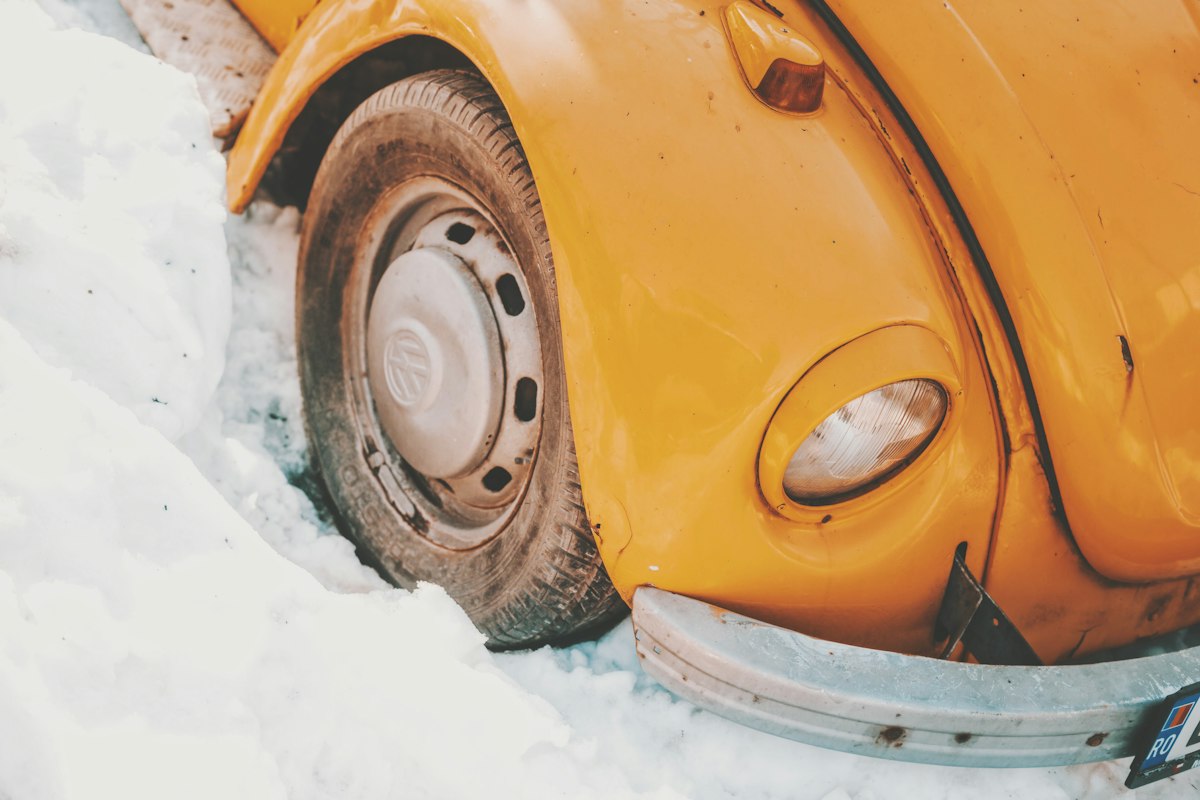
Winter Tire Advantages
- ✓ Superior snow grip
- ✓ Better ice braking
- ✓ Improved acceleration
- ✓ Reduced stopping distance
Frequently Asked Questions
When should I switch to winter tires?
The ideal time to switch is when temperatures consistently fall below 45°F (7°C). In most regions, this occurs in October or November. Don't wait until the first snow arrives—tires can be in short supply and installation appointments may be delayed. Planning ahead ensures your vehicle is protected before harsh conditions develop.
How often should I check tire pressure in winter?
Check tire pressure at least monthly during winter, and ideally every two weeks. Since cold temperatures reduce air pressure naturally, more frequent checks prevent underinflation. Check pressure when tires are cold—before driving or at least three hours after driving—for accurate readings.
What winter engine oil grade should I use?
Consult your vehicle's owner manual for the correct oil grade. Many manufacturers recommend switching to a lower viscosity oil (such as 0W-20 instead of 5W-30) for winter months. The first number indicates cold flow characteristics—lower numbers ensure easier engine starting in freezing temperatures.
How do I protect my battery in cold weather?
Have your battery tested before winter arrives. Clean any corrosion from terminals using baking soda and water. Ensure cable connections are tight. Consider a battery blanket heater for vehicles stored outdoors. A healthy battery with at least 80% charge capacity should reliably start your engine in cold weather.
Should windshield washer fluid be changed for winter?
Yes, switch to winter-grade windshield washer fluid before cold weather arrives. Regular fluid freezes at 32°F (0°C), creating potential safety issues. Winter-grade fluid remains liquid at temperatures as low as -20°F (-29°C), ensuring you can clean the windshield when visibility is critical.
What emergency supplies should I carry in winter?
Essential winter emergency kit items include: blanket or sleeping bag, jumper cables or portable jump starter, ice scraper and snow shovel, flashlight with extra batteries, first aid kit, road flares, sand or kitty litter for traction, and a small basic tool kit. Keep these supplies in your vehicle throughout the winter season.
What Readers Say About Our Guides
Real stories from drivers who used our winter preparation articles to keep their vehicles safe and reliable.
"I followed the tire pressure adjustment guide and noticed a significant improvement in my car's handling and traction. The step-by-step instructions were so clear, and the information about winter tire technology helped me understand why the switch was necessary. This resource helped me feel more prepared for potential road hazards."
Rendra Wijaya
Jakarta, Indonesia
"The battery maintenance section was incredibly helpful. I found corrosion on my terminals that I didn't even notice, and cleaning it helped my car start reliably all winter. The emergency kit checklist is now taped inside my glove compartment. Highly recommend this guide to anyone in cold climates."
Siti Nurhaliza
Bandung, Indonesia
"As someone who travels frequently in winter conditions, this comprehensive checklist has been invaluable. I appreciate the detailed explanations of why each step matters, not just a generic list. The fluid maintenance section particularly helped me understand the importance of proper coolant concentration."
Bambang Setiawan
Surabaya, Indonesia
"I shared these articles with my teenage daughter who just got her first car. The winter driving safety tips section gave her confidence and practical knowledge. The information is presented in an accessible way without being condescending. Great resource for new drivers."
Dwi Santoso
Yogyakarta, Indonesia
Explore Our Complete Winter Preparation Content
Discover detailed articles, checklists, and expert advice to ensure your vehicle is fully prepared for winter driving challenges.