

Electrical
Battery Winter Performance Guide
Learn why car batteries struggle in cold weather and how to maintain optimal performance throughout the winter season. Discover testing methods and replacement considerations.
Read More
Complete resources and expert articles to help you prepare your vehicle for winter driving conditions
Explore our comprehensive collection of maintenance guides, safety tips, and seasonal preparation advice from automotive experts
Filter articles and guides by topic
Learn why car batteries struggle in cold weather and how to maintain optimal performance throughout the winter season. Discover testing methods and replacement considerations.
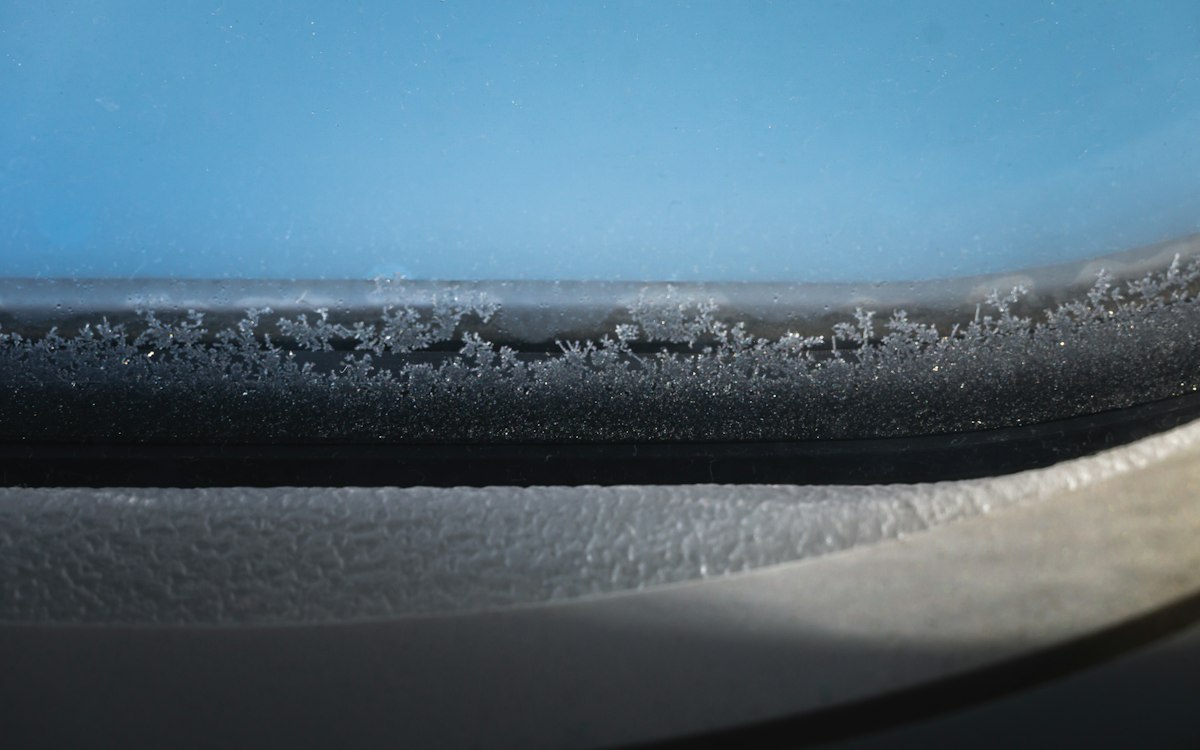
Complete overview of winter tire technology, how they differ from all-season tires, and step-by-step installation guidance. Includes tire pressure adjustments for cold weather.
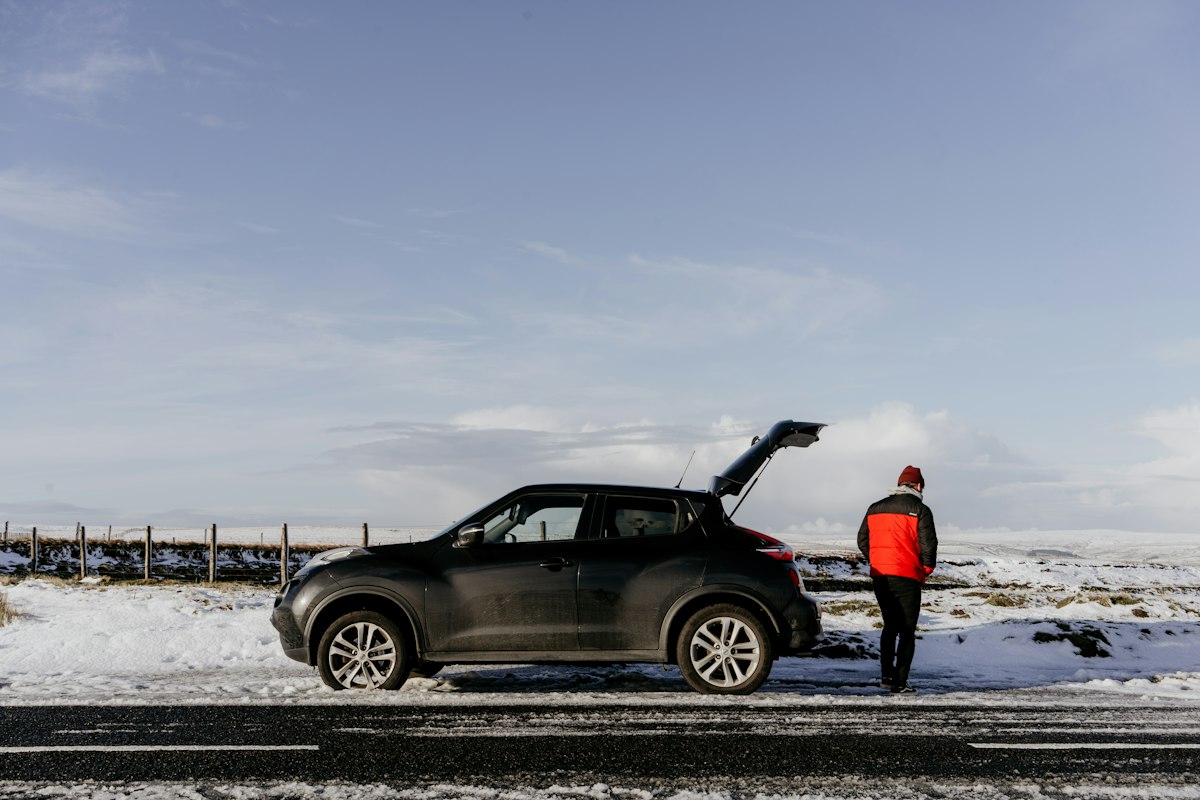
Understanding viscosity ratings and winter-grade oils. This guide explains why oil thickness matters in cold temperatures and how to select the right product for your vehicle.
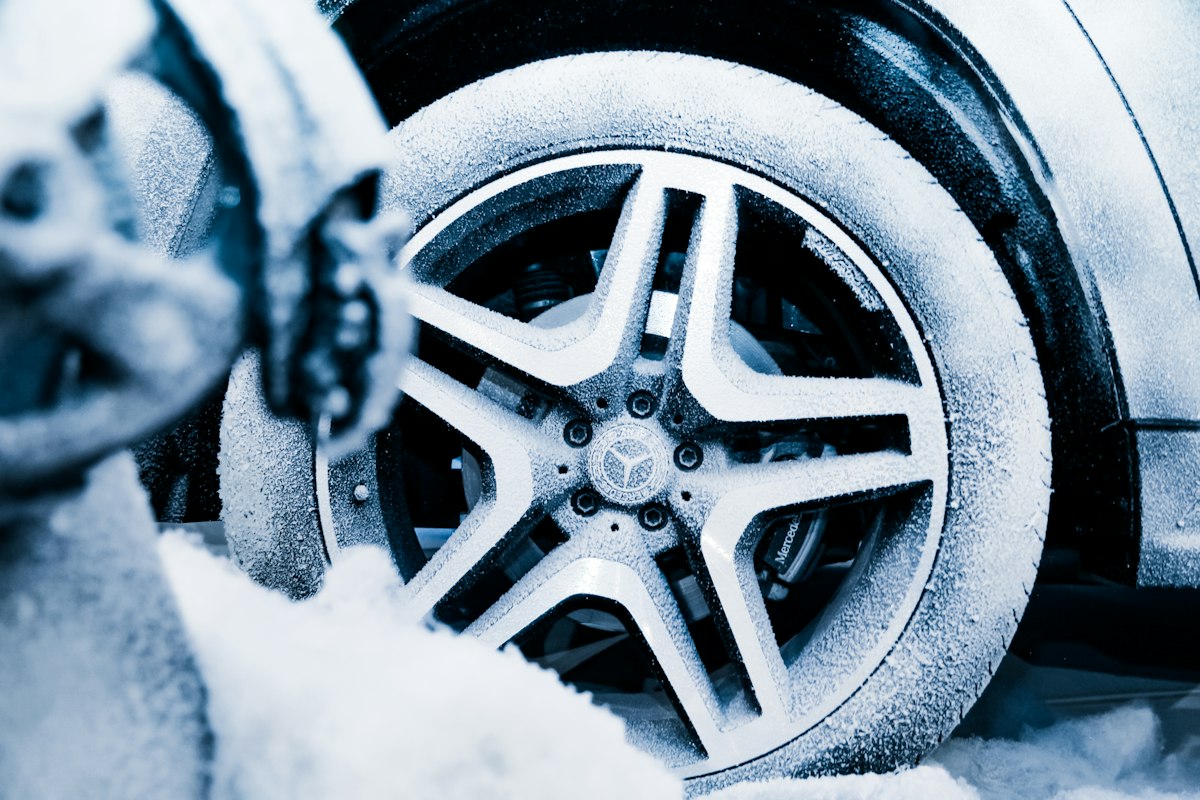
Expert article covering coolant freeze points, testing your current coolant, and proper flushing procedures. Learn how to prevent engine damage during freezing temperatures.
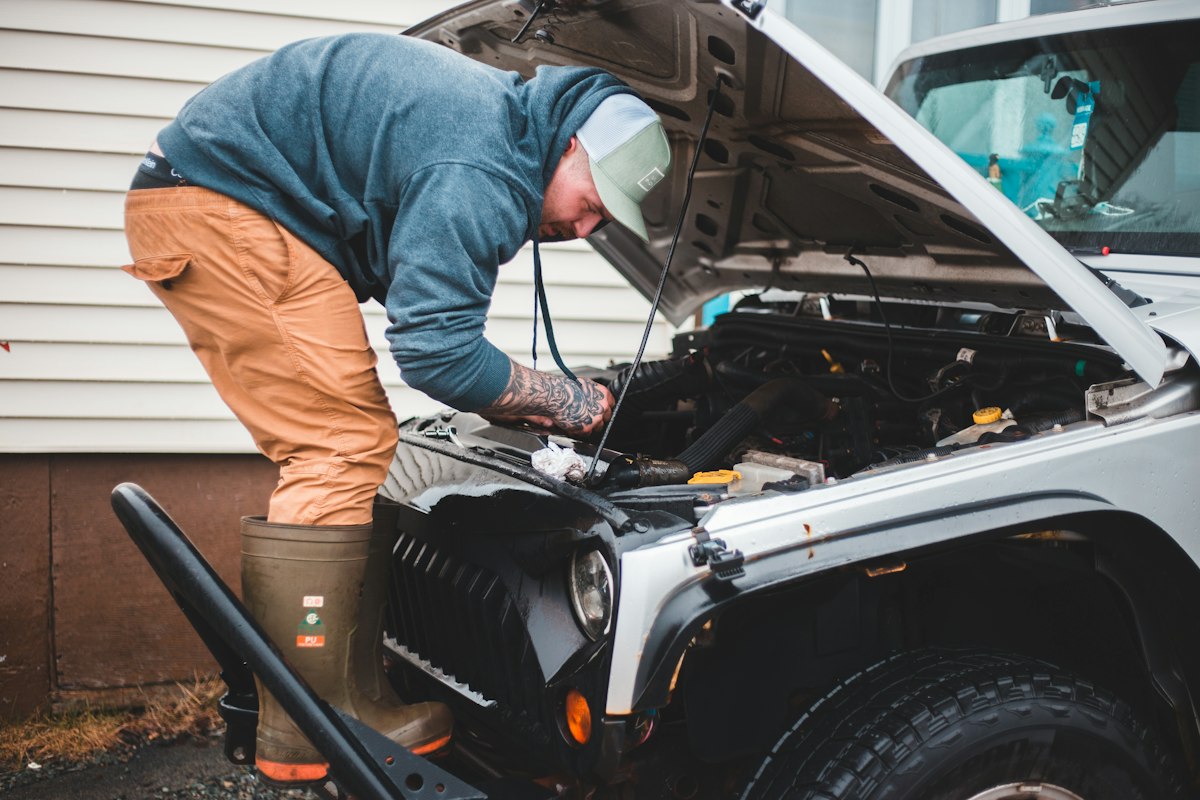
Guide to winter wiper blade selection, winterized washer fluid, and maintaining clear visibility in snow and ice. Includes defrosting techniques and glass protection methods.
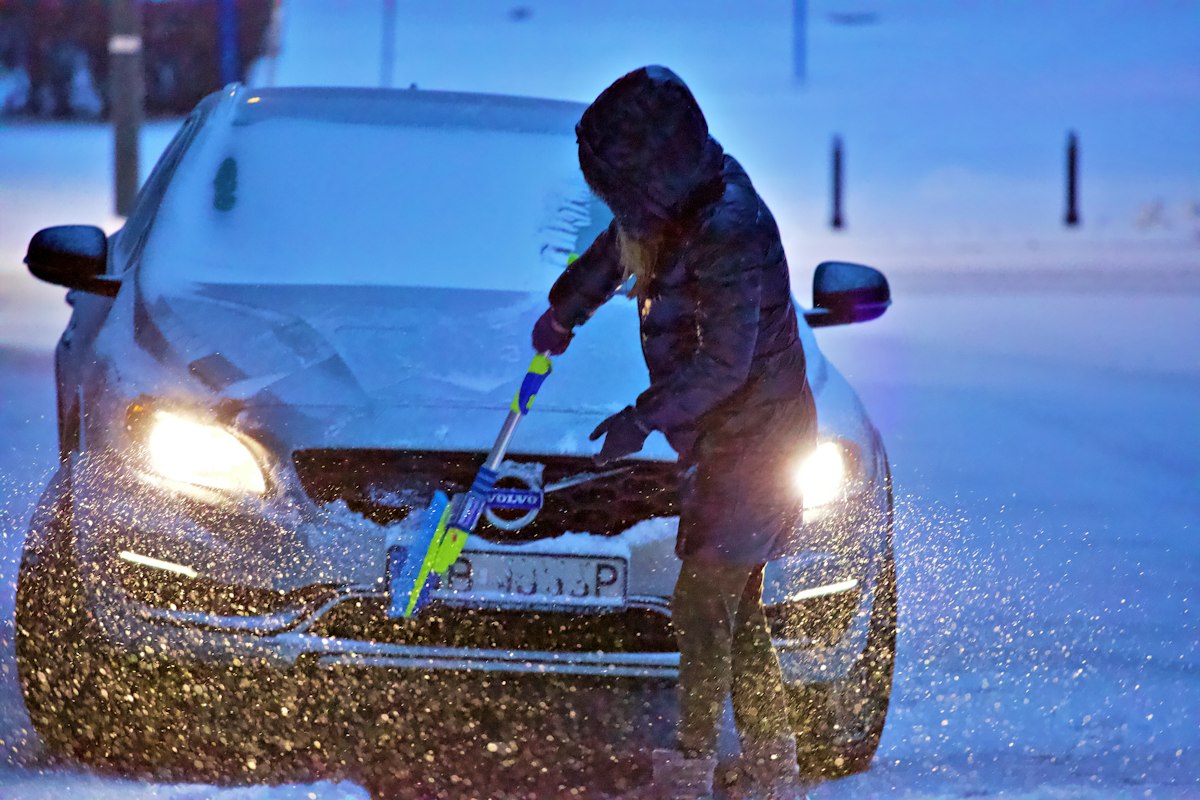
Expert recommendations for maintaining control on slippery surfaces, proper braking distances, and emergency maneuvers. Learn defensive driving strategies specific to winter conditions.
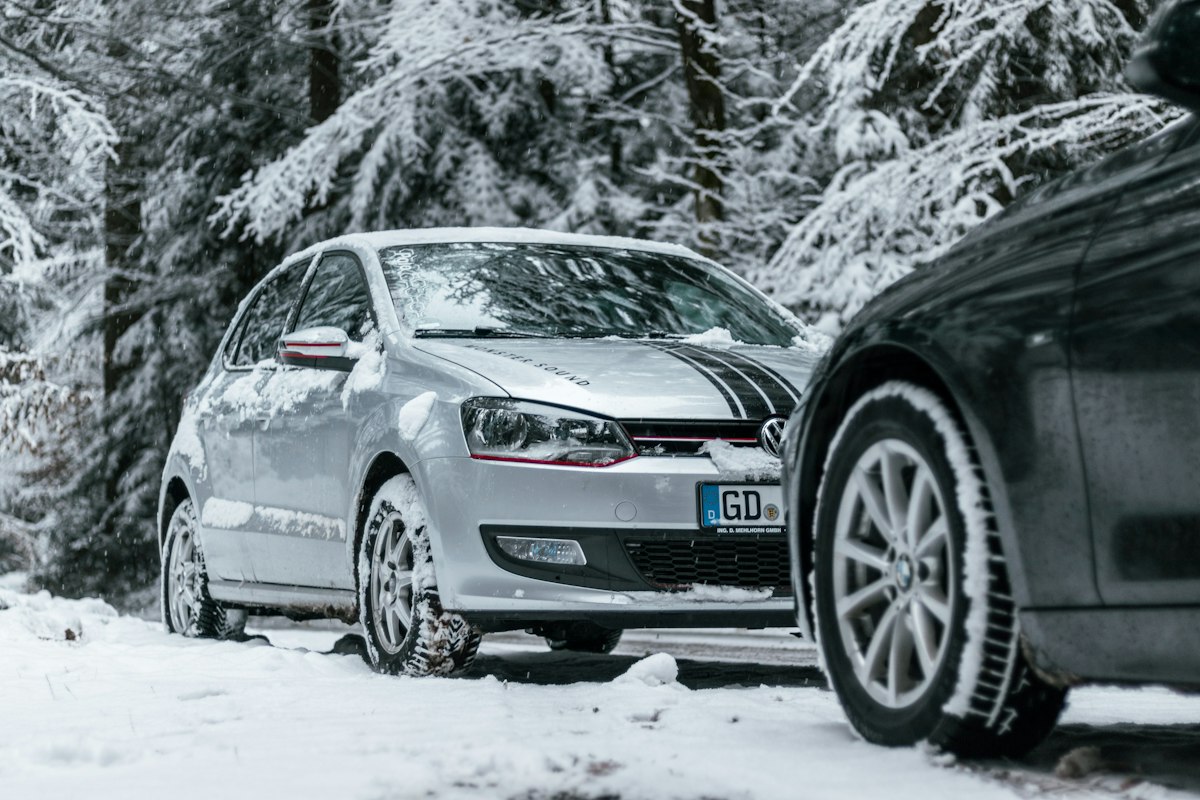
Complete list of essential items to keep in your vehicle during winter. From blankets and jumper cables to first aid supplies and communication devices for roadside emergencies.
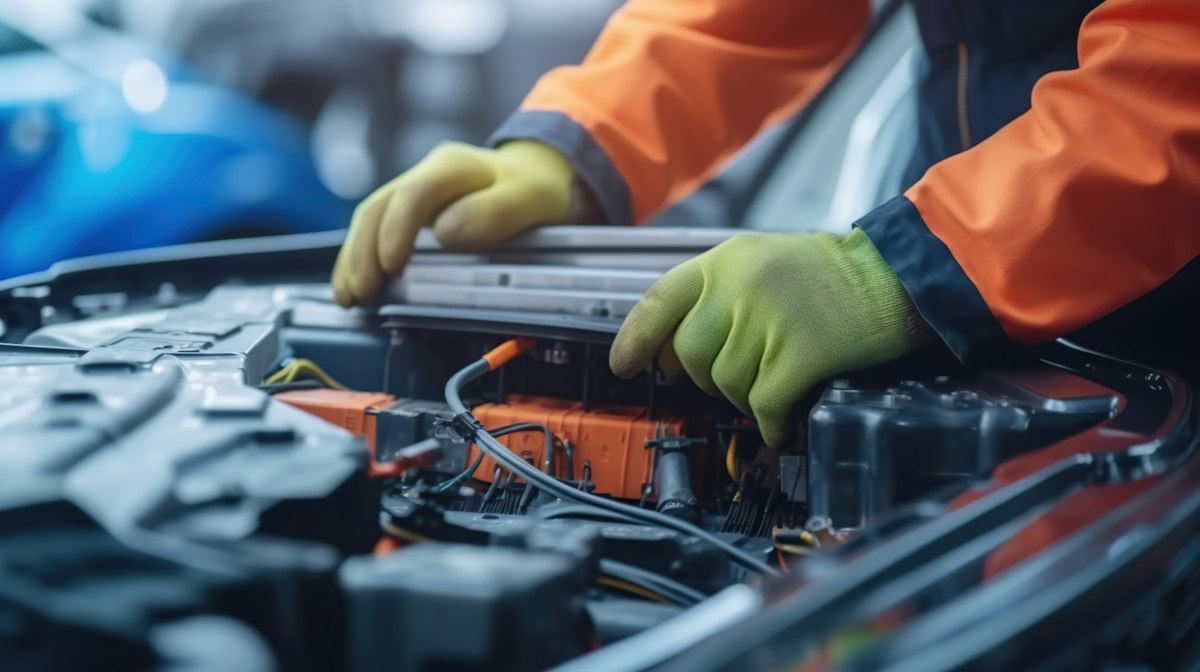
Comprehensive guide to inspecting brake pads, fluid condition, and rotor performance before winter. Understand how cold temperatures affect braking power and safety margins.
Our most comprehensive articles covering essential winter car preparation topics
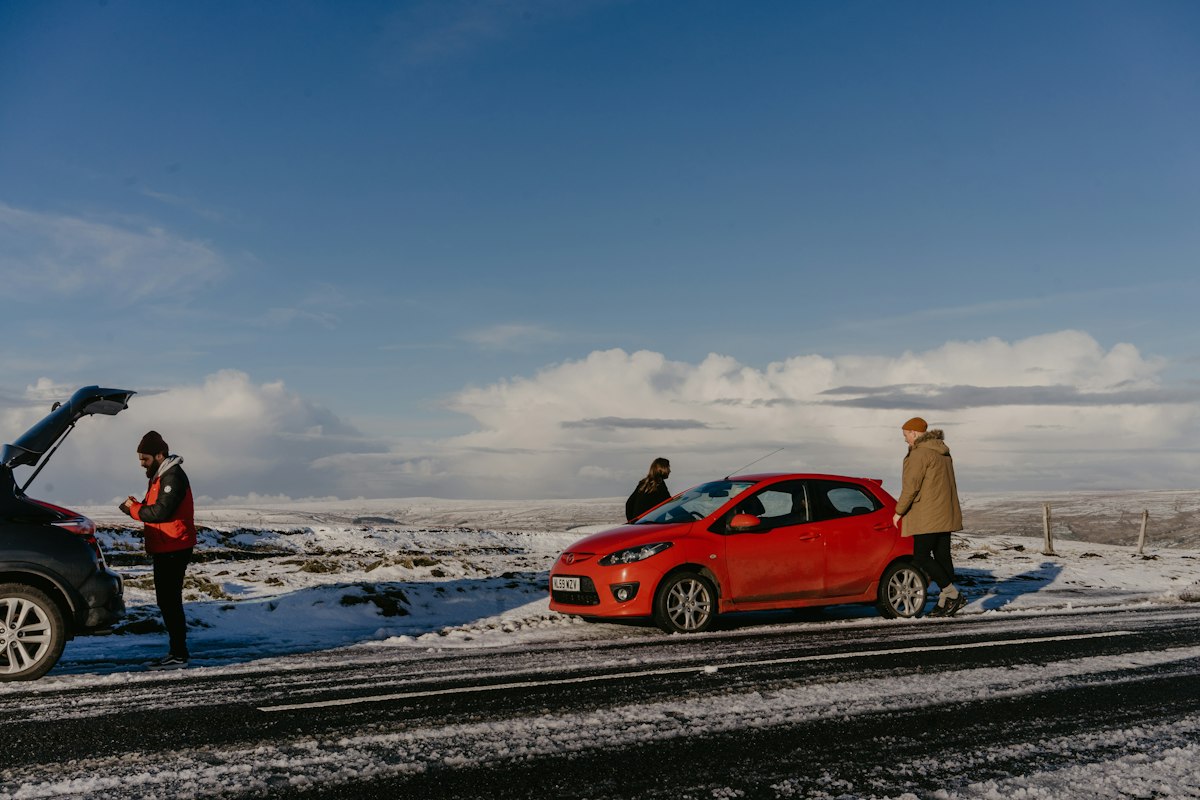
A step-by-step walkthrough of everything you need to do before winter arrives. This comprehensive guide covers battery testing, fluid checks, tire selection, and emergency kit assembly. Automotive experts recommend completing these tasks at least two weeks before your first winter drive.
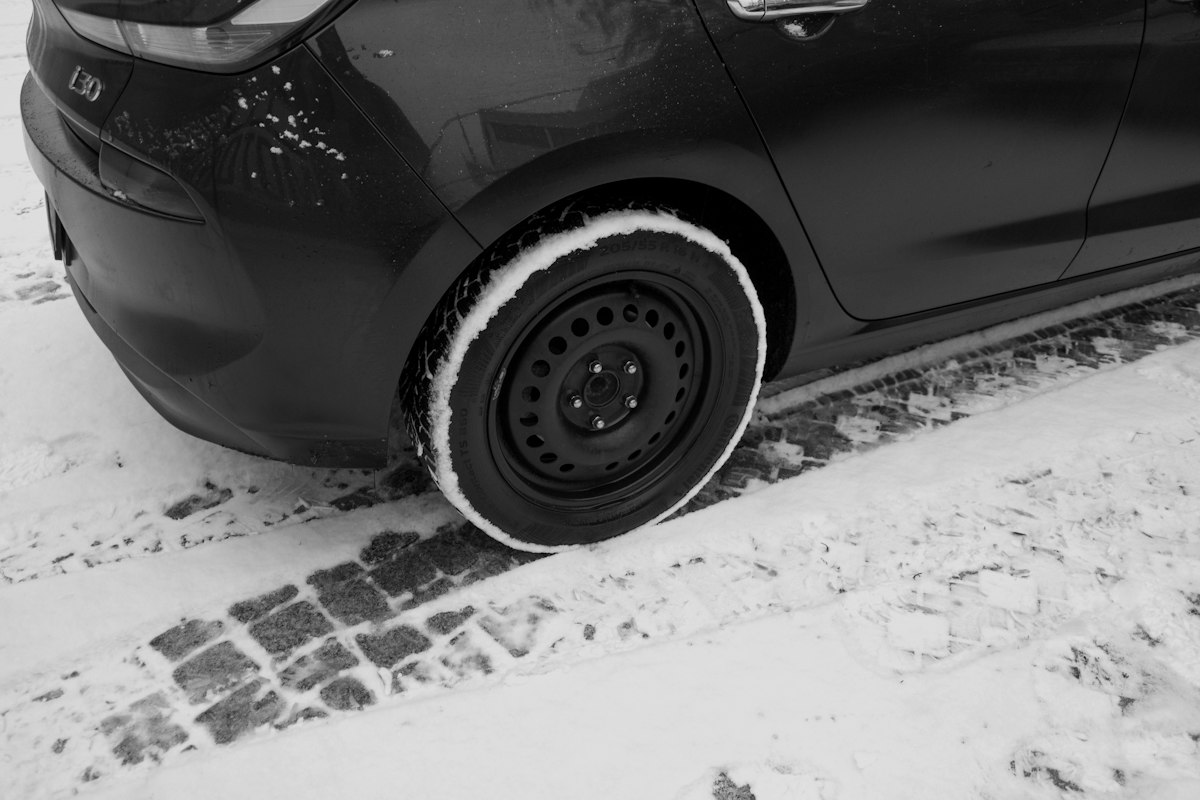
Learn professional driving techniques used by winter driving instructors and safety experts. This detailed article covers traction control settings, proper braking on ice, skid recovery, and how to navigate challenging weather conditions safely. Includes expert commentary from experienced winter drivers.
Understanding the challenges and importance of winter car preparation
More Accident Risk
Winter conditions increase accident likelihood compared to other seasons
Reduced Traction
Winter tires provide significantly better grip than all-season tires in snow
Battery Power Loss
Cold weather reduces battery efficiency and starting capability
Longer Stopping Distance
Brake distances double or triple on snow and ice compared to dry roads
Subscribe to receive the latest winter driving tips, maintenance guides, and seasonal preparation articles delivered to your inbox
We respect your privacy. Unsubscribe at any time. No spam, only relevant content.
Browse our complete collection of winter car preparation articles, expert recommendations, and practical guides. Our editorial team has compiled everything you need to know to keep your vehicle safe and reliable during winter months.
In-depth articles covering all aspects of winter car preparation and maintenance
Knowledge from automotive professionals and experienced winter drivers
Step-by-step preparation lists and safety recommendations you can implement immediately
Common questions about winter car preparation and maintenance
Automotive experts recommend beginning winter preparation in late September or early October, before the first cold snap. This gives you time to address any issues and ensure all components are functioning properly before you encounter harsh weather conditions.
Winter tires significantly improve safety in snow and ice compared to all-season tires. They provide better traction, shorter braking distances, and improved handling. Many insurance companies and safety organizations strongly recommend their use in winter conditions.
Cold temperatures slow the chemical reactions inside a battery, reducing its available power. A battery at 32°F has about 50% of its normal power output. Additionally, cold oil requires more cranking power, putting extra strain on a weakened battery.
Essential items include jumper cables, blanket, first aid kit, flashlight, ice scraper, sand or kitty litter for traction, jumper cables or portable jump starter, extra coolant, and emergency contact numbers. Keep these items in your vehicle throughout the winter season.
Check your coolant level monthly during winter and test its freeze protection before the season begins. Most modern vehicles require coolant inspection every 30,000 miles, but winter conditions make regular checks important for preventing engine damage.
Remain calm and do not slam on the brakes. Ease off the accelerator and steer gently in the direction you want the front of the vehicle to go. Keep both hands on the wheel. Once you regain traction, straighten your wheels and continue slowly. Our advanced driving techniques article covers this in detail.
Access our detailed guides on winter tire selection, emergency kit preparation, and weatherproofing your home.
Learn MoreWatch step-by-step videos on how to install winter tires, winterize your vehicle, and perform essential maintenance checks.
Watch NowDownload our printable winter maintenance checklist to ensure you don't miss any critical preparation steps.
Download"Wintercareprepguide gave me confidence preparing my home and vehicle for the season. The detailed checklist saved me from costly mistakes!"
Sarah M.
Minneapolis, MN
"As a first-time winter homeowner, I was overwhelmed. This guide broke everything down into manageable steps. Highly recommend!"
James T.
Denver, CO
"The safety tips have literally made my winter driving safer. I feel prepared for any weather emergency now."
Maria L.
Buffalo, NY
Check your battery at least once a month during winter, as cold temperatures reduce battery effectiveness by up to 50%. Have it tested professionally before winter to ensure it meets seasonal demands.
Get our complete winter preparation checklist delivered to your email. Stay safe, prepared, and confident all season long.
No spam, unsubscribe anytime. We respect your privacy.